overview
The Tauern Window — A Structural Boundary That Concentrates Metals
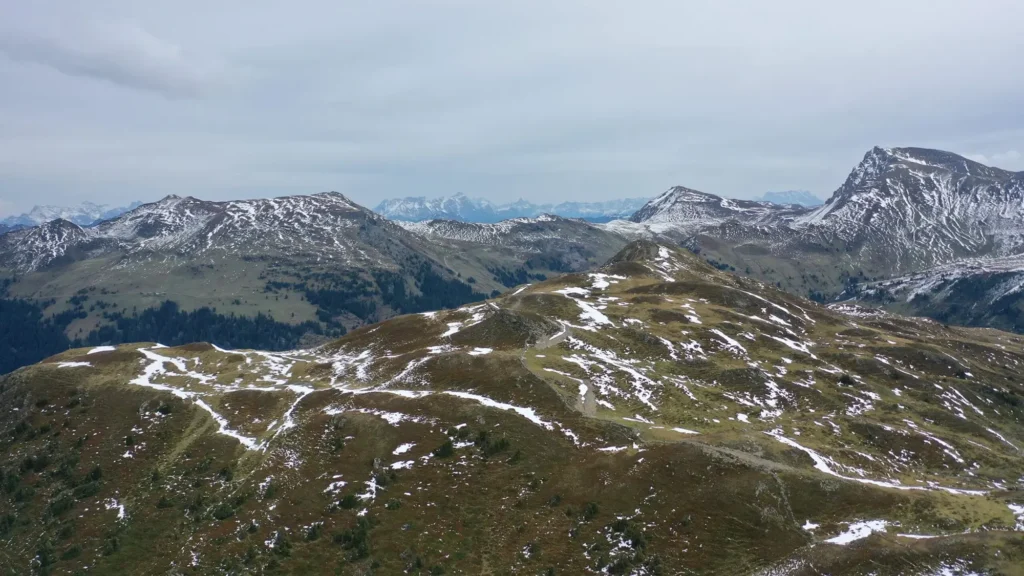
The three blocks sit along the northern margin of the Tauern Window, where the Greywacke Zone and Austro-Alpine cover units overlie the deeper Penninic metamorphic basement. The geology exhibits a complex interleaving of Greywacke Zone units, crystalline basement, and transitional Penninic rocks. This structurally active boundary zone has focused repeated episodes of hydrothermal mineralization over geological time.
Kelchalpe captures a substantial strike length of the Greywacke Zone on the Salzburg side. Brixlegg sits to the west within the same Northern Greywacke Zone, where the Schwaz-Brixlegg corridor hosts carbonate-hosted silver, copper, and antimony mineralization along the Inn Valley Fault. Matrei straddles the Brenner structural corridor, one of the Alps' most significant tectonic lineaments. Together, these blocks represent the Tyrol Group's strong connection to a deep and well-documented tradition of Alpine metal extraction.

Infrastructure
The Tyrol Group benefits from the Brenner corridor, Europe's busiest transalpine transport axis, running directly through Matrei and served by the A13 motorway and the historic Brenner railway. Brixlegg sits directly on the Lower Inn Valley axis, with the A12 Inn Valley motorway and the main Innsbruck to Kufstein railway line running through the district. Kelchalpe is accessible via the Zell am See and Saalbach road network with strong connections to Salzburg.
All three blocks sit within one to two hours of Innsbruck and Salzburg, providing access to skilled labor, equipment suppliers, and regulatory services. The Brenner Base Tunnel, currently under construction, will further enhance long-term regional connectivity and logistics capacity.
mining heritage
The Kitzbühel and Schwaz Legacy: Copper, Silver, and the Habsburg Mining Economy
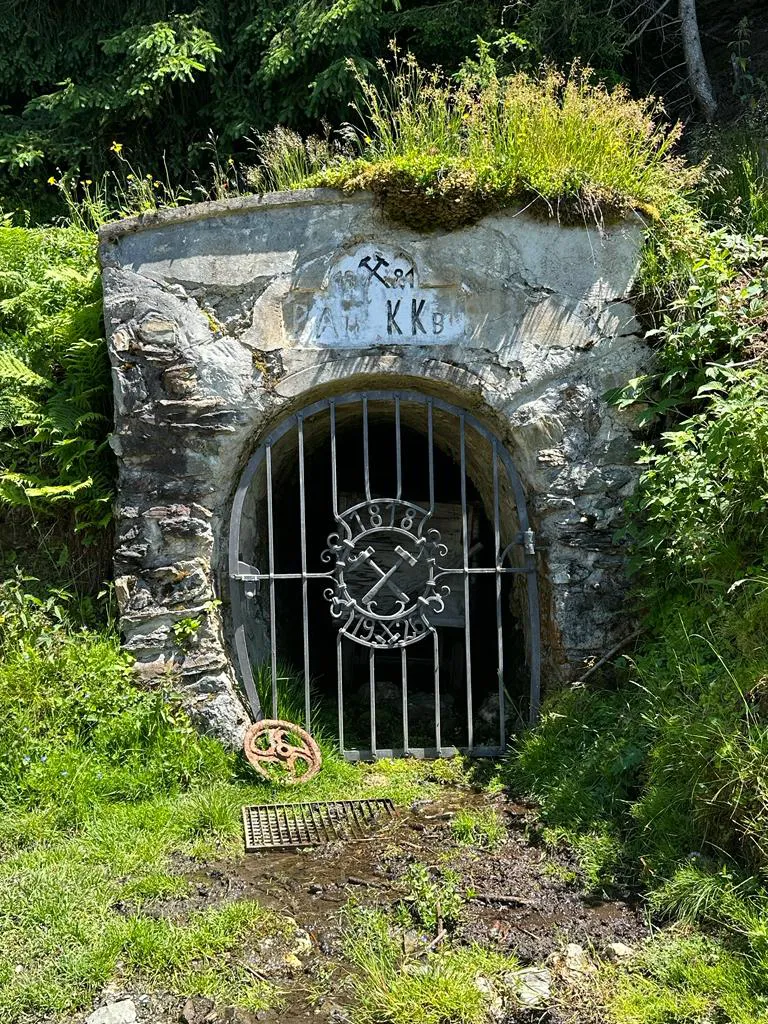
The Kelchalpe area near Kitzbühel lies within one of the most celebrated historical mining districts in the Alps. The Kitzbühel copper mines were among the most productive in the medieval world, making this region a cornerstone of the Tyrolean mining economy under the Habsburgs. Mining activity spans from prehistoric Bronze Age extraction through Roman-era gold workings to the intensive shaft mining of the 16th century — when the Röhrerbühel mine was the deepest shaft in Europe at 886 meters.
The Mühlbach, Mitterberg, and Kelchalpe operations produced copper continuously for centuries. By 1830, the Kupferplatte mine alone had 16,579 meters of underground workings and 2,243 meters of shafts. These are not small-scale historical workings — they are evidence of substantial mineral systems that were exploited at industrial scale, and that remain open at depth.
To the west, the Schwaz-Brixlegg district holds one of the most significant silver mining legacies in European history. Mining here spans more than 3,500 years, from Bronze Age extraction through a major revival at Schwaz in the 15th century. Production peaked between 1506 and 1545, when the Falkenstein mine ranked among the largest silver mines in the world and is recorded to have held roughly 300 kilometers of underground workings. By historical accounts, the district yielded an estimated half of the silver and copper produced across the Holy Roman Empire during the 16th century. The carbonate-hosted fahlore systems that fed those workings remain the focus of Ekometall's modern exploration at Brixlegg.
What’s Next
Kelchalpe is Ekometall's most advanced project, with GexplOre data processing complete and multi-criteria prospect generation underway. Brixlegg is also advancing quickly, with Phase II complete and multi-criteria analysis and target generation now in progress. Next steps across both blocks include geological mapping, soil surveys, airborne geophysics, 3D modelling of historical workings, and drill target definition. The Tessenberg drilling precedent provides a proven template for advancing targets through permitting and into field execution. Matrei is in the earlier Data Aggregation stage, with archival records being compiled for the GexplOre pipeline.